Omuhle Ndhlovu ’27
In Baltimore, community members are not waiting for another bill to be voted on or another policy to be debated before people’s dignity can be restored. They are confronting injustice with something no one can take away from them: their own power.
They are not asking for permission to create change. They are showing the unwavering power of Ubuntu (the belief that our humanity is bound together), and so in restoring others, we restore ourselves.
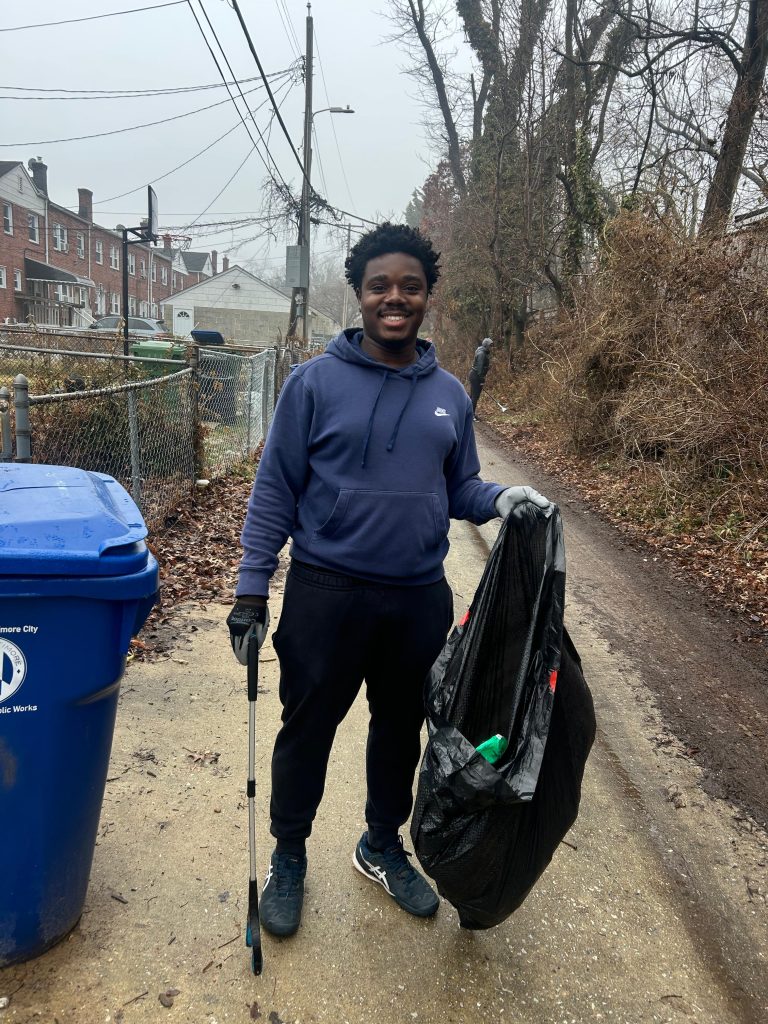
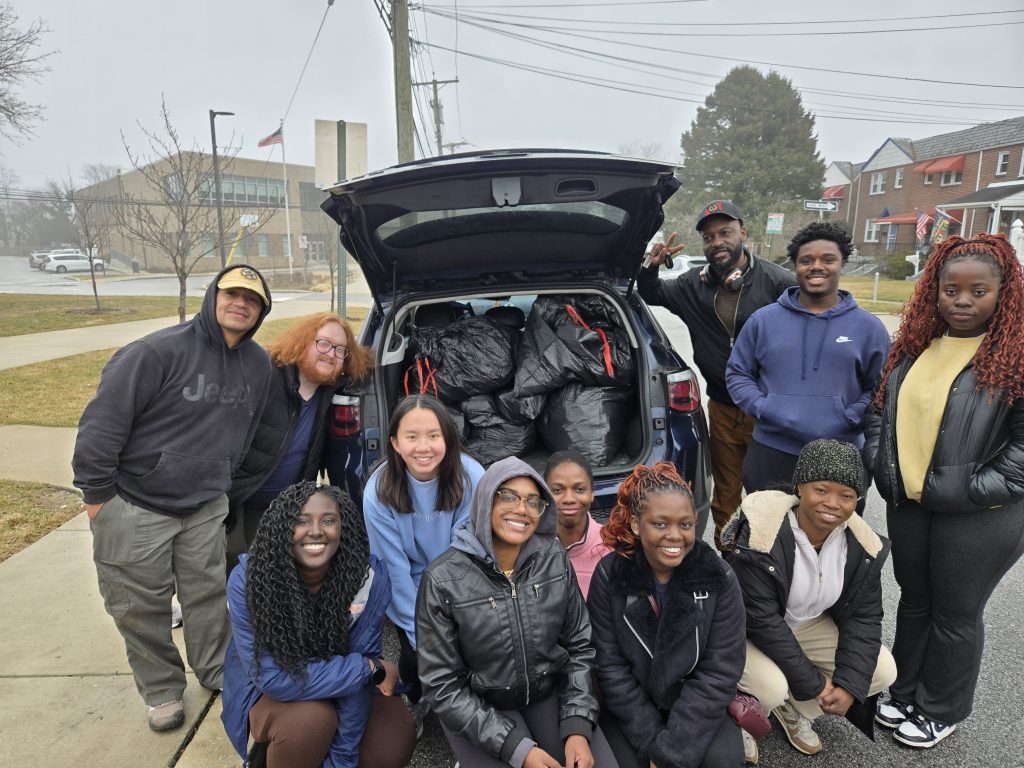
Near Govan Elementary School, Marc sees the trash and litter in his neighborhood as an opportunity to build meaningful connections within the community. Reverend Heber captures this spirit when he says, “The Avengers are not coming to save us… we are our own heroes.” Through the Black Church Food Security Network, he is shifting the status quo in Black communities across the United States through gardens owned and run by local residents, transforming how communities access food.
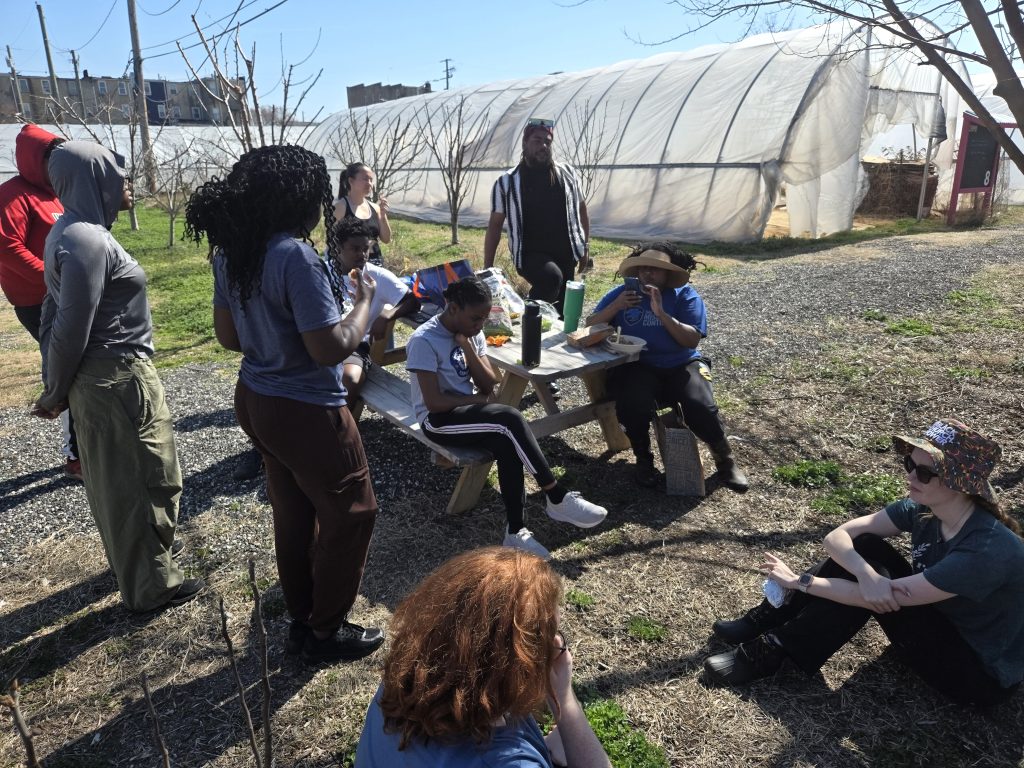
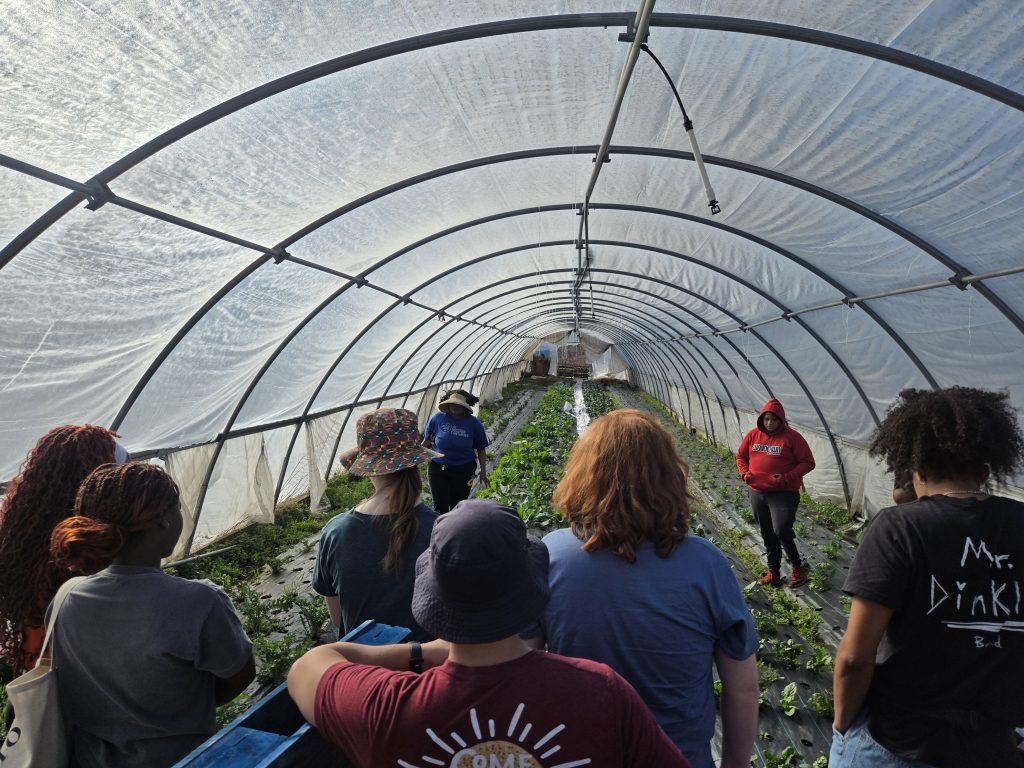
At Strength to Love Farm, Shea McCoy and Corey are growing vegetables in a food apartheid neighborhood. They are filling a gap that grocery stores refuse to address because profits would be too low. In class, Kurt once reminded us that “we depend on a profit-driven industry to provide us food.” Access to food should never depend on profit margins. The real question should be: How do we ensure that every resident lives within a reasonable distance to fresh, healthy food?
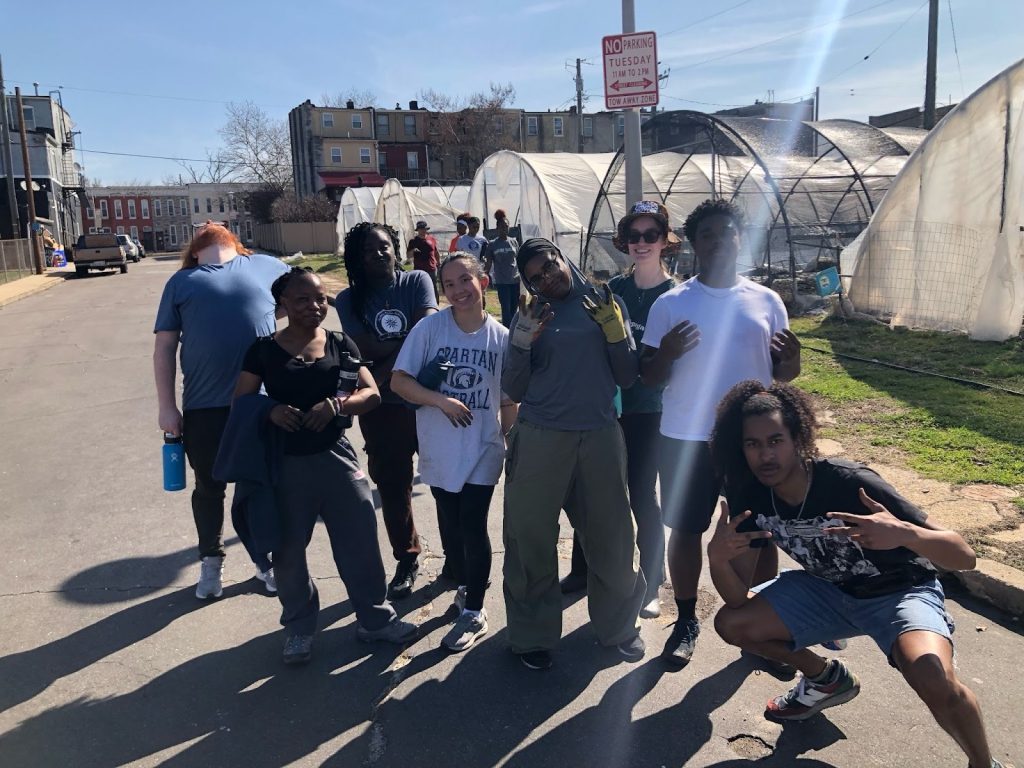
My favorite part of this experience was witnessing the intersection of faith and food justice.
Continue reading “We Are Our Own Heroes”