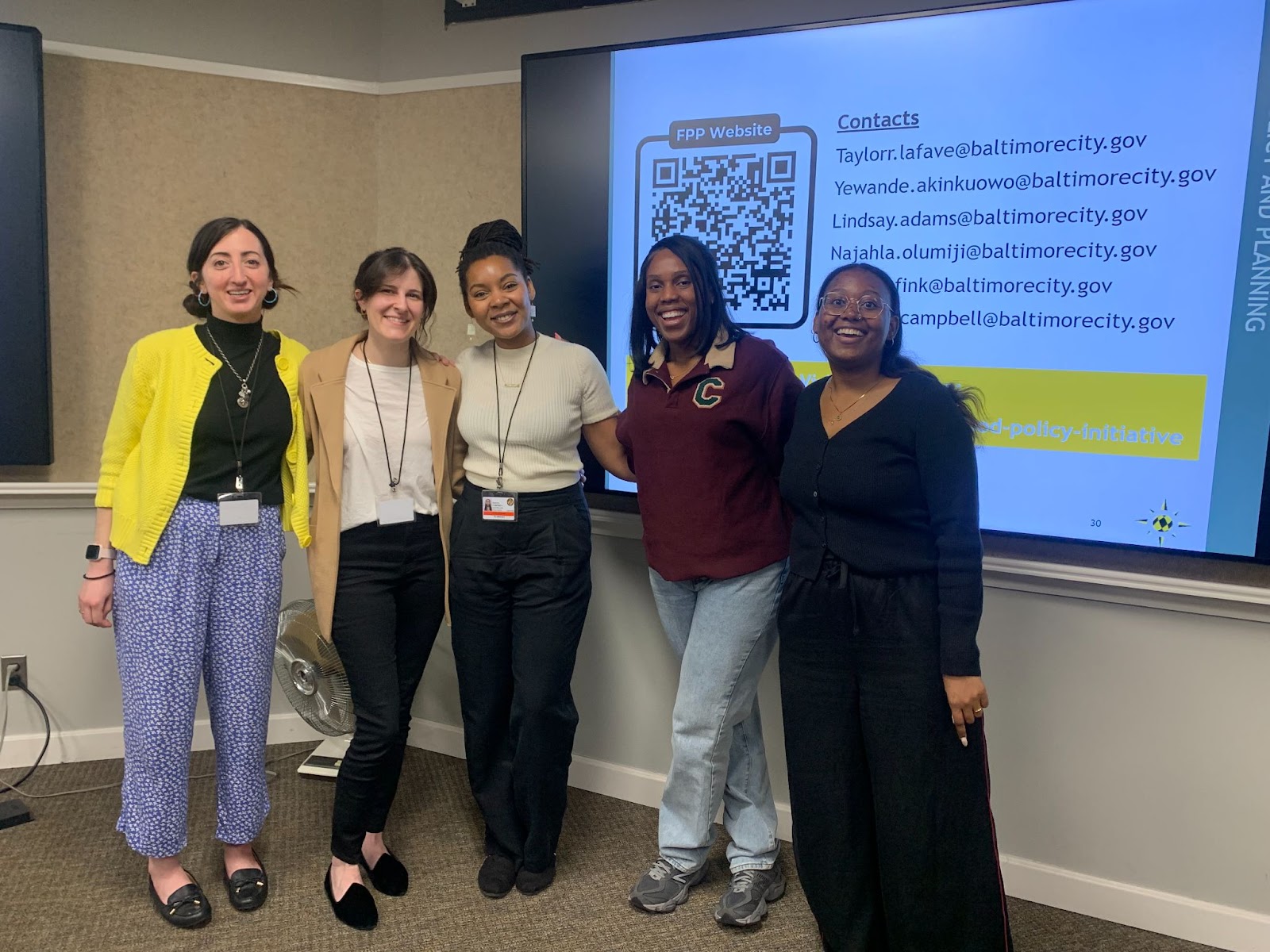
Our final day brought more partnership meetings stirring our study of food insecurity’s grasp on Baltimore residents and responses to this problem. After lobbying in D.C. the previous day, our kickoff event was an early meeting with the Baltimore City Food Policy and Planning team. This team, being integral to the analysis of, education on, and combat of food insecurity in Baltimore at the local governmental level, was strikingly small. But do not let the size of the wave determine its power, for Taylor, Lindsay, Yewande, Najahla, and Amber were themselves capable and invested individuals collaborating on a sea of initiatives, including, but not limited to, an online SNAP program called B’More Fresh Produce Incentive, providing additional money for those eligible and using SNAP benefits through an online portal, and a targeted patient care program called Food Rx that supports the patient and their family through tailored and nutritional meals.
When I first found out that I had the opportunity to participate in the Food, Faith, Justice course on campus, I felt a jolt of excitement. I was ecstatic to be able to further my education on the topic of food insecurity and be able to participate in the service learning journey and community that FFJ creates. Spending the beginning of the second semester preparing for our journey to Baltimore helped to expand my knowledge on the topic of food insecurity as a result of fundamental structural issues present throughout the United States, especially the results and effects of redlining. Although learning about Baltimore’s growing food insecurity holds importance in the aspect of spreading awareness, the service experiences that I have been presented with this spring break were the takeaways I was most looking forward to receiving.
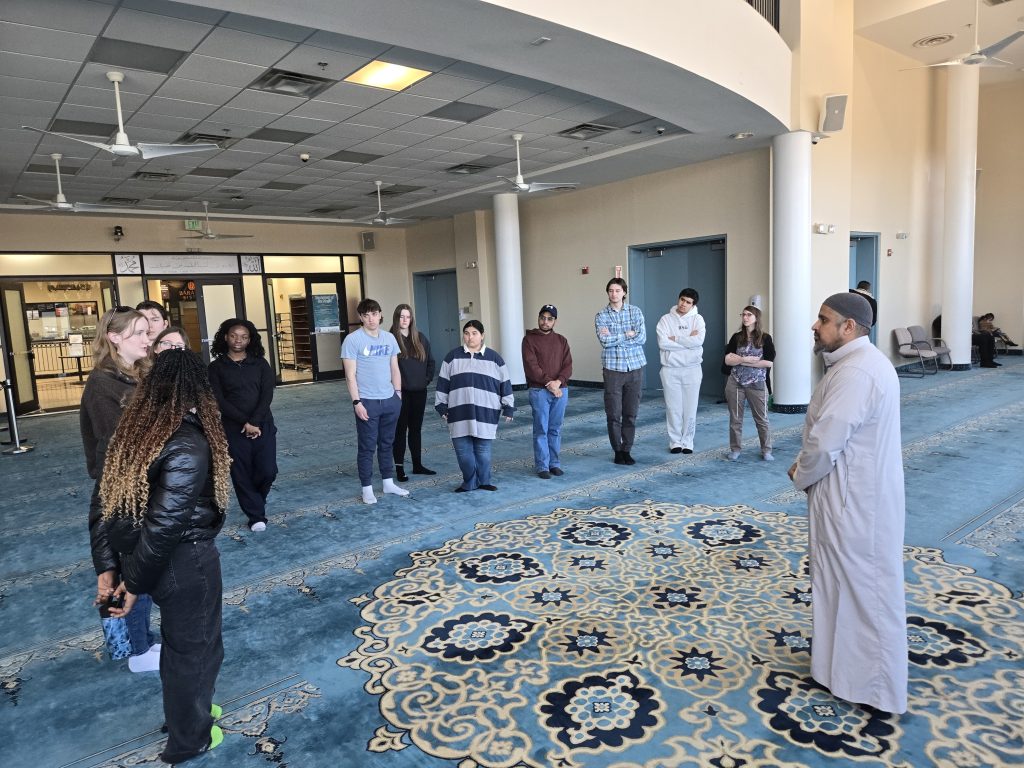
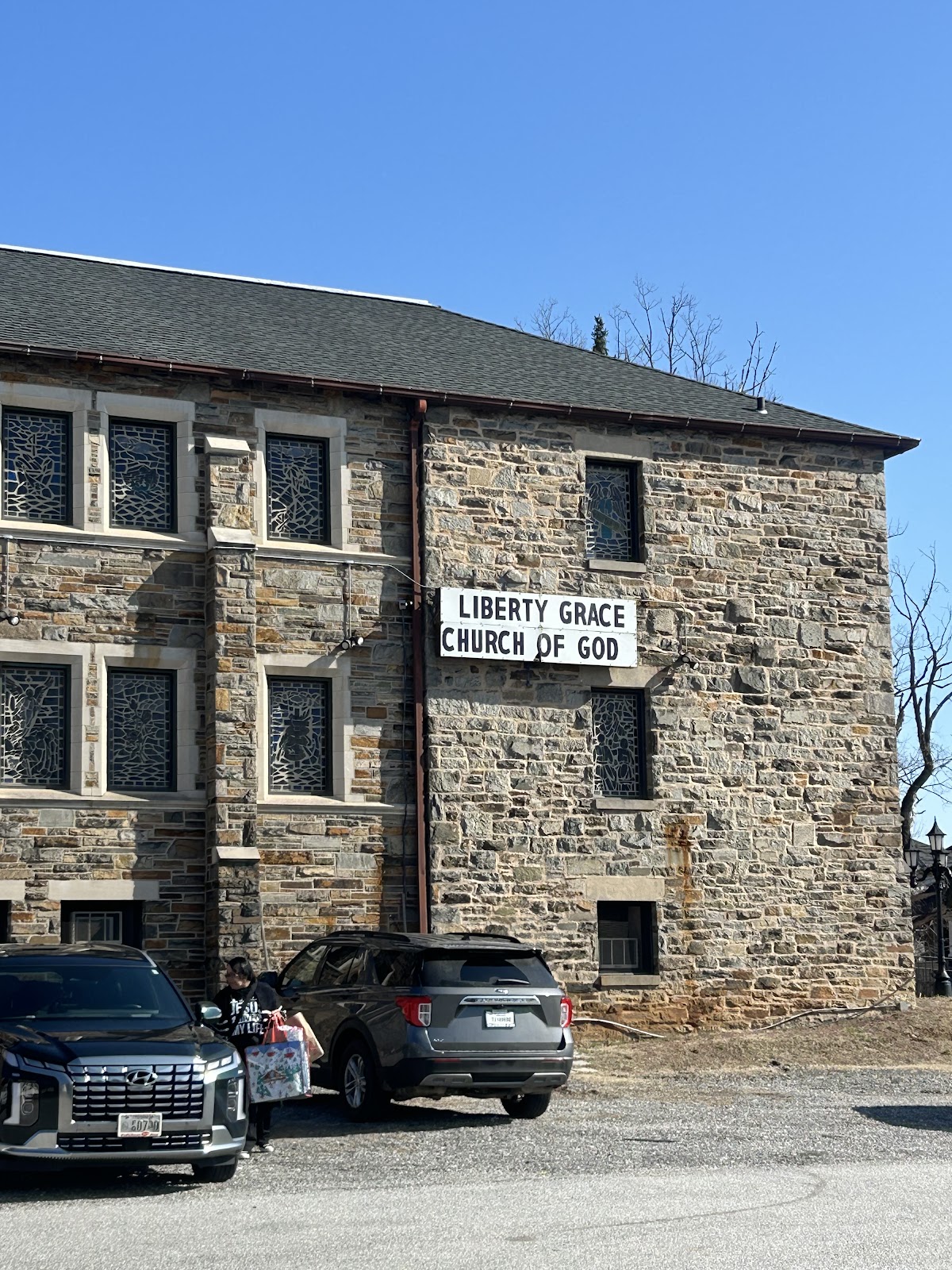
While in Baltimore, our group has been blessed with the opportunity to experience how organizations at different levels attack the issue of Food Insecurity. So far the things that we have been able to partake in have included working with the Black Church Food Security Network, going to Liberty Grace Church, learning about Temple X schools, serving for Our Daily Bread, observing the Islamic Society of Baltimore, and working at the Strength to Love Farm as previously mentioned by others who have this great opportunity to do this work. To this point we have seen work that has been done at an individual level, as well as at the faith level which has been truly fascinating.
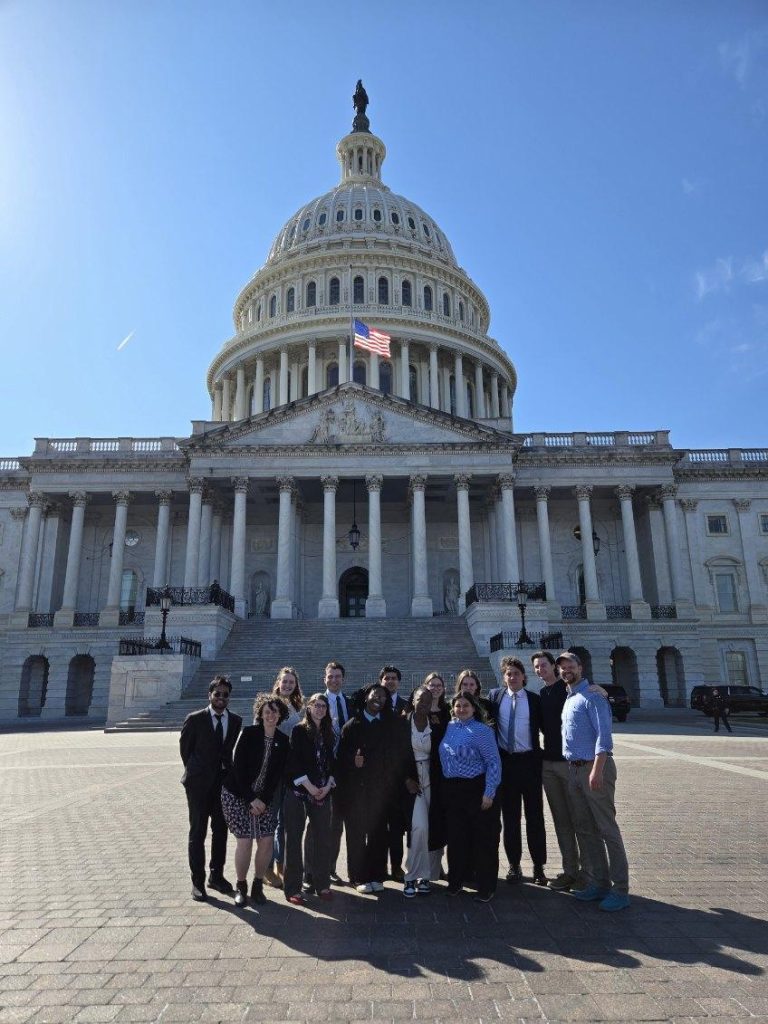
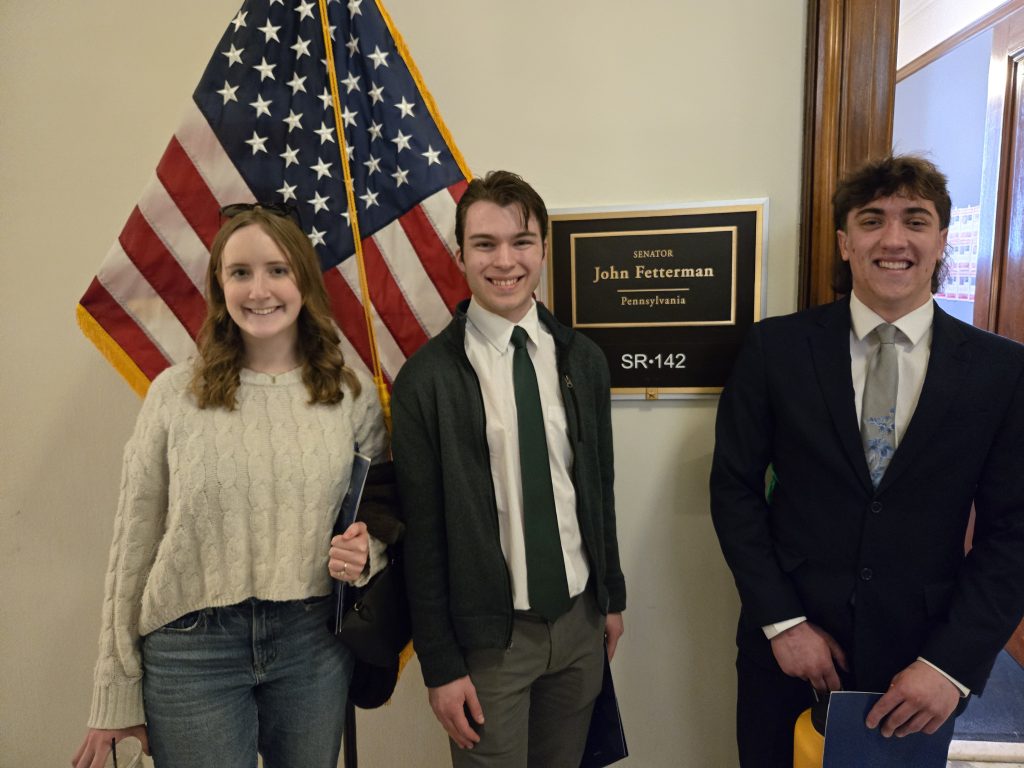
Heading to Washington, D.C., was the next stop on our food insecurity voyage, and coming here definitely demonstrates a whole new level of attacking food insecurity. The entire day revolved around food insecurity at the institutional/systemic level.
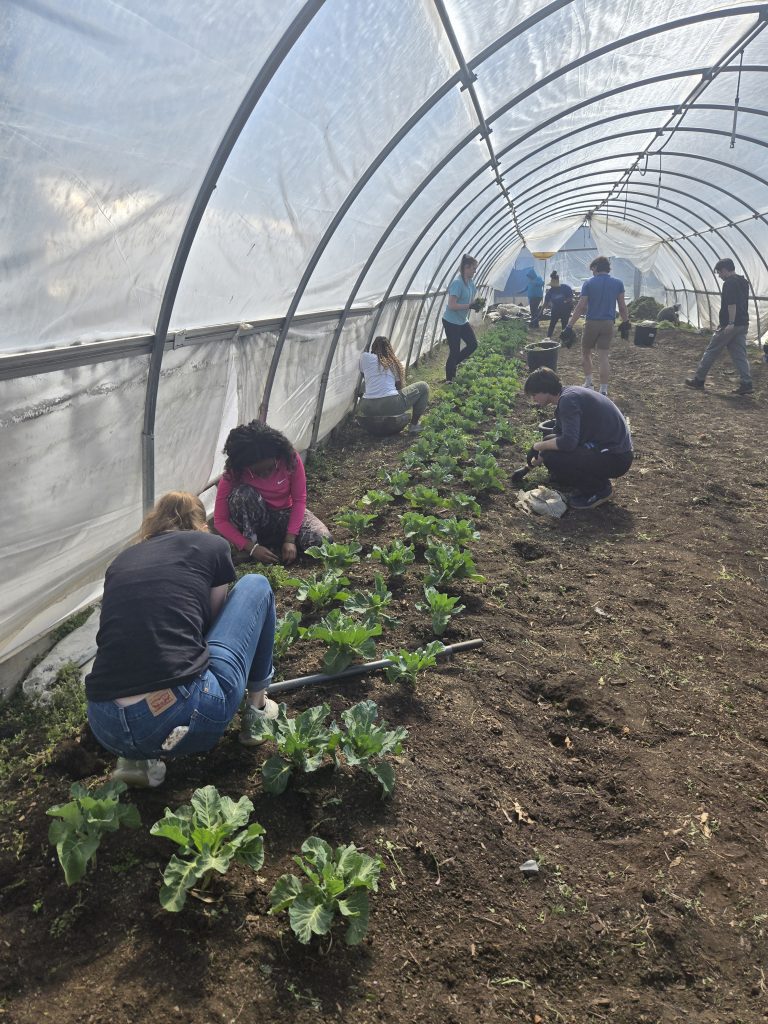
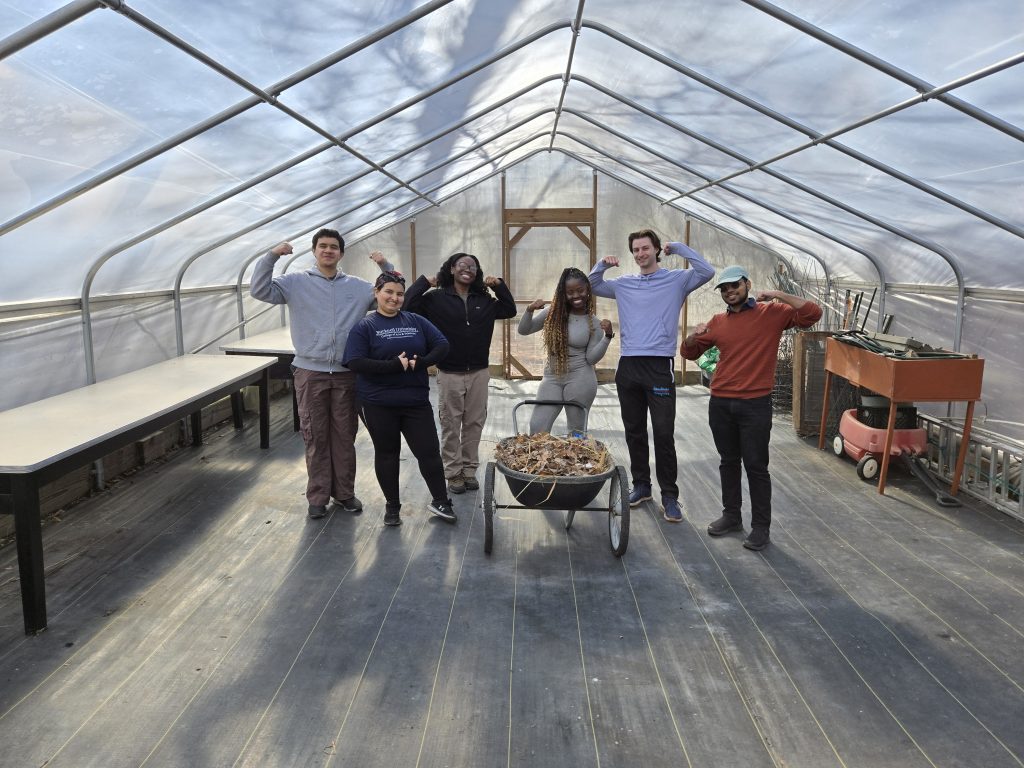
Strength to Love II Farm is not the kind of farm I’m used to seeing. There are no sprawling hills and fields, nor livestock, nor creeks running through the grounds. It’s a series of rows of crops contained inside of several hoop-houses, which function like greenhouses and maintain humidity inside of their tarp coverings.
Together, our group helped weed out one of the hoop-houses in order to prepare it for planting. Everybody was very optimistic about the experience and I appreciated our group’s dedication to the work.
I particularly enjoyed our meeting with Baltimore farmer, photographer, and author Shae McCoy, who works at the farm we visited. Her insight on how communities develop and her own role at both the farm and in Baltimore as a whole was interesting to listen to.
Yesterday felt different; it was a day where coming to Baltimore no longer felt like an adjustment — it had settled in. The drive to Our Daily Bread wasn’t filled with curiosity or uncertainty anymore; instead, it was a quiet reflection on how this place, and the people who have made it meaningful, had started to feel like a system — familiar and personal. The idea of how change becomes comfort weighed on my mind throughout the journey. I kept wondering: how does a new setting, initially foreign, become home? How do the people we encounter transform an experience from obligation to belonging?
In these few days, a quiet bond had emerged — no longer the cautious dynamic of people thrown together by circumstance, but something deeper. It felt like we were no longer just participants in a shared project; we were part of a shared story. Yesterday, I found myself questioning why I was on this trip — not just the purpose of the work itself, but why I was here with these particular people. And somewhere in that question lay the answer.
As we approached Our Daily Bread, Jaiden’s smile stood out to me. His eagerness to be there wasn’t fueled by obligation but by a quiet, internal motivation. That genuine drive reminded me why we were all there — not because we had to be, but because we wanted to be. Inside, Dora’s excitement was equally infectious. The warmth in her voice as she recounted her previous experiences inspired all of us. It was as if she carried a quiet light, guiding the rest of us forward.
Our first task was simple — tying tea bags in bundles of ten. I found myself next to Rose, working in shared silence. But that silence wasn’t empty; it was heavy with meaning. Her quiet focus and care for such a small task reminded me that inspiration isn’t something external — it’s carried within us.
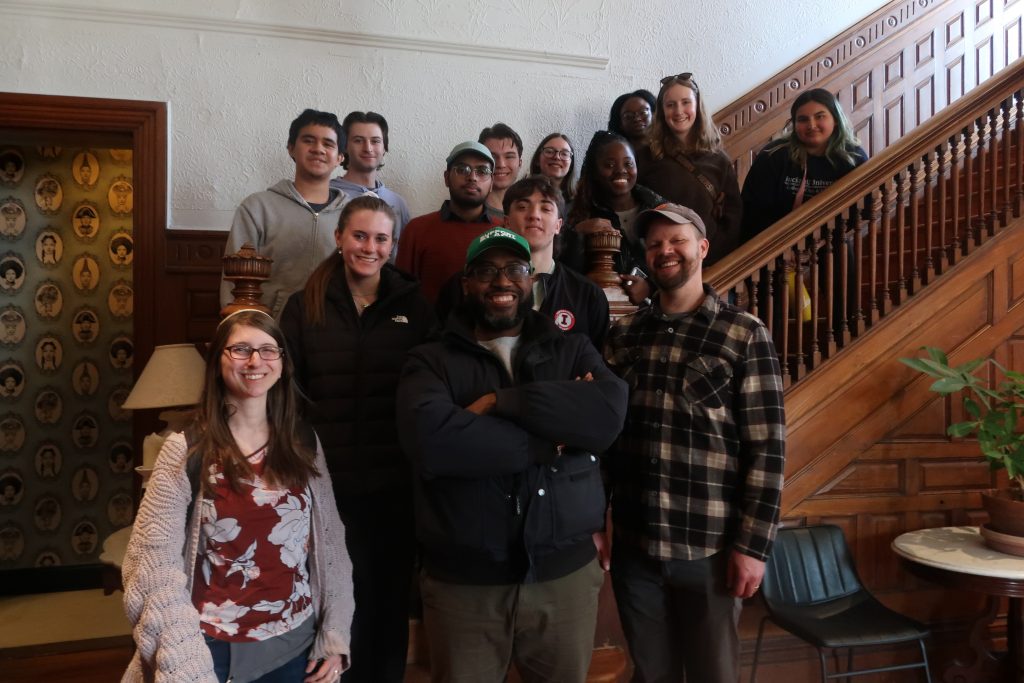
Before the doors opened, we were assigned our roles. Each task — serving, cleaning, assisting — carried its own quiet beauty. It wasn’t just about the job itself but the shared process of doing it together. For a moment, I stepped back and wondered why it was us — these specific thirteen people — standing together in that room. It felt intentional, as though we had been woven into the same story for a reason.
I chose the Food, Faith, and Justice course because I wanted to explore my faith and understand the impact of social justice through an interfaith lens. Coming to Baltimore, I had high and fixed “expectations”, especially on attending a Black Church. I longed for the sense of belonging, warmth and community that I had experienced growing up in a Christian family back in West Africa. My Sunday mornings were filled with joyful chaos of preparation that led to long 3 hours service which concluded or began with me getting warm hugs and embraces from church mothers and grandmothers.
This expectation was created and affirmed after Barbara, another student who has taken this course, consistently shared with me how a hug she got at the Liberty Grace Church of God felt just like a grandmother’s hug where she got the feeling of familiarity, home, assurance and a sense of belonging. I was eager and I longed for that same experience. I imagined walking into the church and feeling instantly at home after I had gotten the hug Barbara described. But after embracing several people, I realized that I had confined myself to nostalgia, searching for something familiar instead of embracing the richness of the new experience that I was in. After a short retrospection, I let go of my expectations and opened my heart to the depth of the Black Church, without trying to see it through the lens of what I expected it to be.
During the duration of this class, I’ve learned a lot about myself, the world around me, and the world where I grew up.
I had never really questioned where my food came from before attending Bucknell, being from California I knew it was more local than imported and that the food was almost always fresh, no matter the season. Who knew moving across the country can cause your perspective to change? This question started to be asked in my first semester of college, wherein I was in the Residential College program and I took a class called Sustainable Harvest. This class inspired me to try to pursue a minor in food systems, and it introduced me to this course.
Food, Faith, and Justice has been one of my favorite classes at Bucknell. Although I am still a first year so there’s more time for other classes to take that place, I think it’ll be a hard class to top. It’s really made me question where food comes from, where does it go, and who benefits the most from its creation. Food has always been integral to my culture and personal beliefs, I view it as sacred and a communal activity. Eating alone is something I only do for breakfast, as I fortify myself for the day ahead. Learning about systemic racism and redlining is always troubling, as it can lead to feeling trapped in a system that’s stacked against “us” (that is, BIPOC). But I believe that learning about issues is the only way to truly understand and fix them.
During our conversation with Pastor Brown, he dropped diamonds like the planet Neptune, in abundance and frequently. Two of the phrases that stuck with me were “Focus is fruit” and “Critique what is, create what isn’t.” I’ve recently been restructuring my focus in life and priorities, doing my best to live in a way that aligns with my faith and that will help me achieve what I’ve been called to do- medicine. I hope to create a learning environment in my community focused on the importance of nutrition and the effects it has on health and get to the root of the cause of the many health issues in America today that relate to diet.
Early this morning, our group met Dr. Reverend Brown to help the Black Church Food Security Network (BCFSN). Wearing a bright green cap that read “Support Black Farmers,” Dr. Brown welcomed us to the garden of New Creation Church. As part of Dr. Brown’s work with the BCFSN, he invited us to un-winterize and prepare this garden for seeding in April – an essential step for many of the 250 congregations in his network. His goal was to motivate us and encourage us to be a voice in this garden. His goal was to motivate us, encourage us to be present in this space, and ensure that our voices and hard work were heard.
Follow along for regular reflections and updates from our Wonderful Food Faith Justice cohort as we jump into a week of intensive Community Partnership in Baltimore with our many wonderful partners including: The Black Church Food Security Network Temple X Academy, and Liberty Grace Church Our Daily Bread Strength to Love II Community Farm The Islamic Society of Baltimore Bread for the World Baltimore City Food Policy & Planning and Beth Am Synagogue
Today’s journey highlighted the multidimensional nature of community organization, painting a vivid image of varied ways to work towards social change. It revealed to me the complex connections between different facets of community organizing, how they connect, and more importantly how they do not communicate. This created different pockets of community work that rarely knew what the other was doing and could not necessarily collaborate on planning to help different communities.
The day commenced at the intersection of policy and activism —the Baltimore Food Policy office—where, at precisely 10:30 AM, we encountered a dynamic group of five women deeply engaged in combating food insecurity through thoughtful policy advocacy. These women were policymakers who wanted to aid in local engagement through funded support for initiatives to combat food insecurities. Their knowledge of the Black Church Food Security Network and Reverend Brown’s community organizing was exciting to hear because this meant that two groups tackling the same problem knew and potentially worked with each other. Amidst the blooming and powerful partnerships, a cloud of disconnect loomed. Many of the community organizers do not know that there were policy advocates. In talking to the five women there was clear passion and understanding for food insecurity taking place in their communities and certain attempts to combat this. This work and the passion for which they attack their work were likely not brought to the awareness of community organizers.