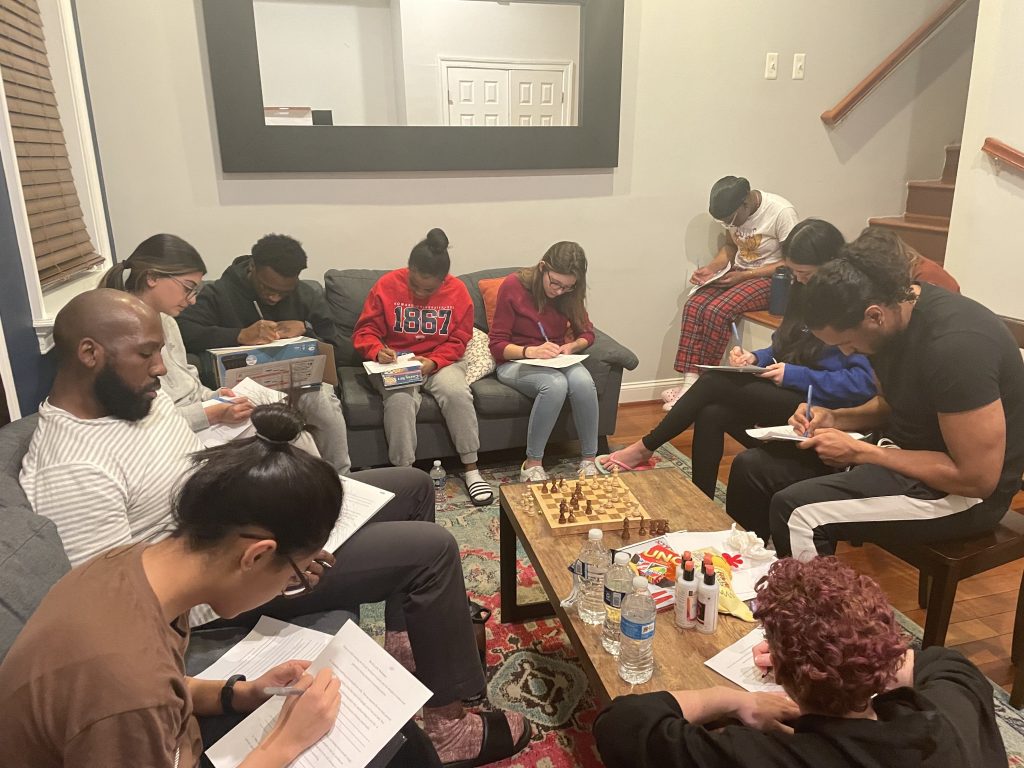
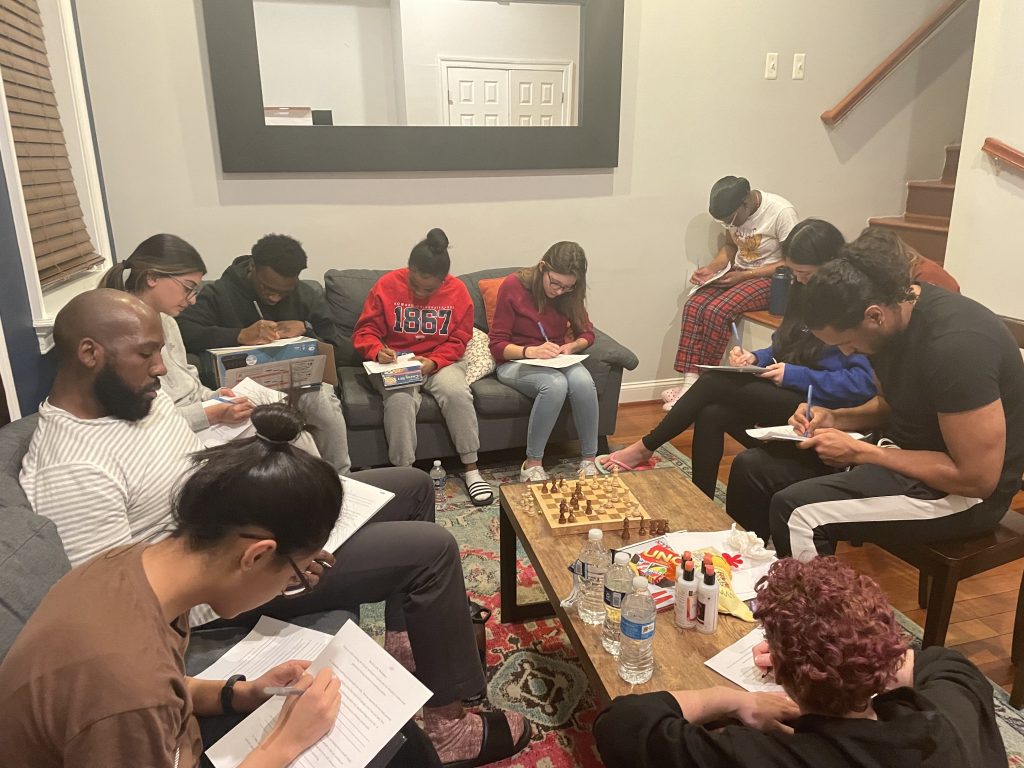
On our penultimate night of this immersive experience, a fellow student, Salina Musyaju, introduced us to a reflective exercise titled “Lollipop moment”. Within the context of this exercise, we discussed a moment from our week that has brought us happiness or changed our lives. When pondering this prompt, I fixated on the encounters from our first few days at Pleasant Hope Baptist Church. In remembrance of a sentiment shared by Dr.Brown along the lines of critiquing what is to create what should be, I shared my connection to other experiences from our trip. Such sentiment drove my innovative spirit to further analyze the needs of various organizations we have partnered with to create affinities and projects that will serve a communal purpose of encouraging the competence of food insecurity for residents and spectators.
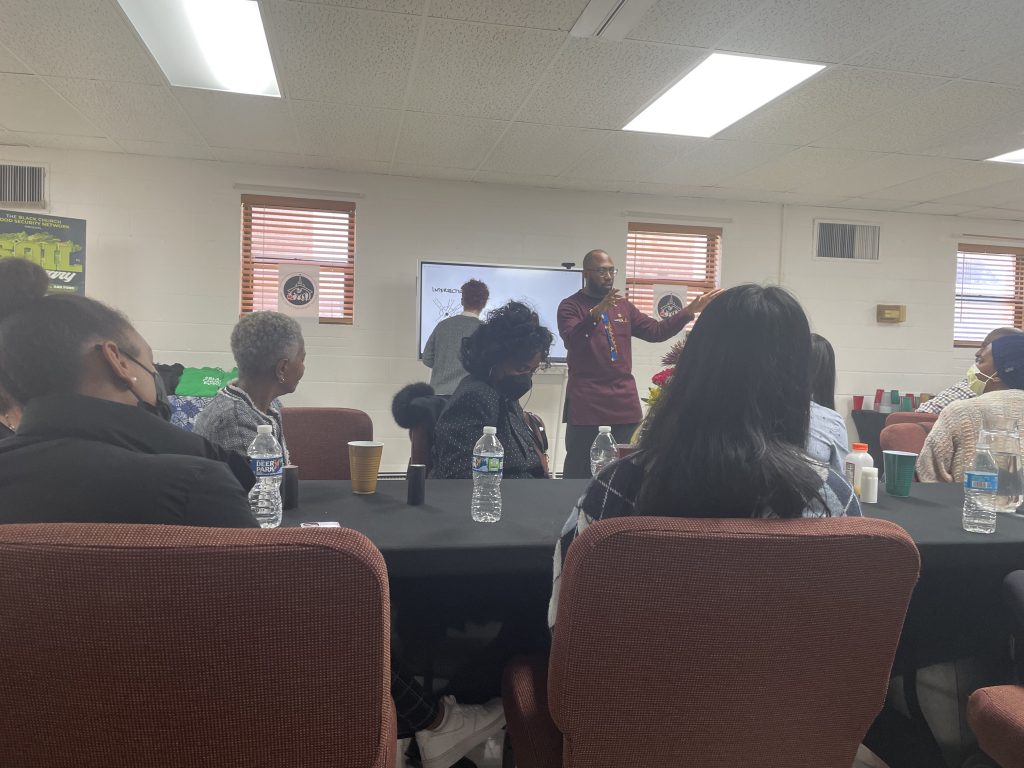
This trip to Baltimore was truly an amazing experience. I am overly grateful and appreciative for the work that Kurt Nelson has put into informing students about food insecurity that happens right before our eyes. The trip started with an inspirational message from Pastor Brown at Pleasant Hope Baptist Church. Here he and his team greeted us with a warm welcome as we were about to embark on our experience of Baltimore. They spoke to us about the demographics of Baltimore and the gentrification that took place and has and continues to impact thousands of Baltimore residents today. One of the pressing issues in Baltimore city is the unequal distribution of resources that has caused many to become food insecure. Neighborhoods in the city have been named a “food desert” due to the lack of resources and the inability of the residents to access stores that provide nutrient-rich foods. This eye-opening discussion truly paved the way for a week full of extremely meaningful work.
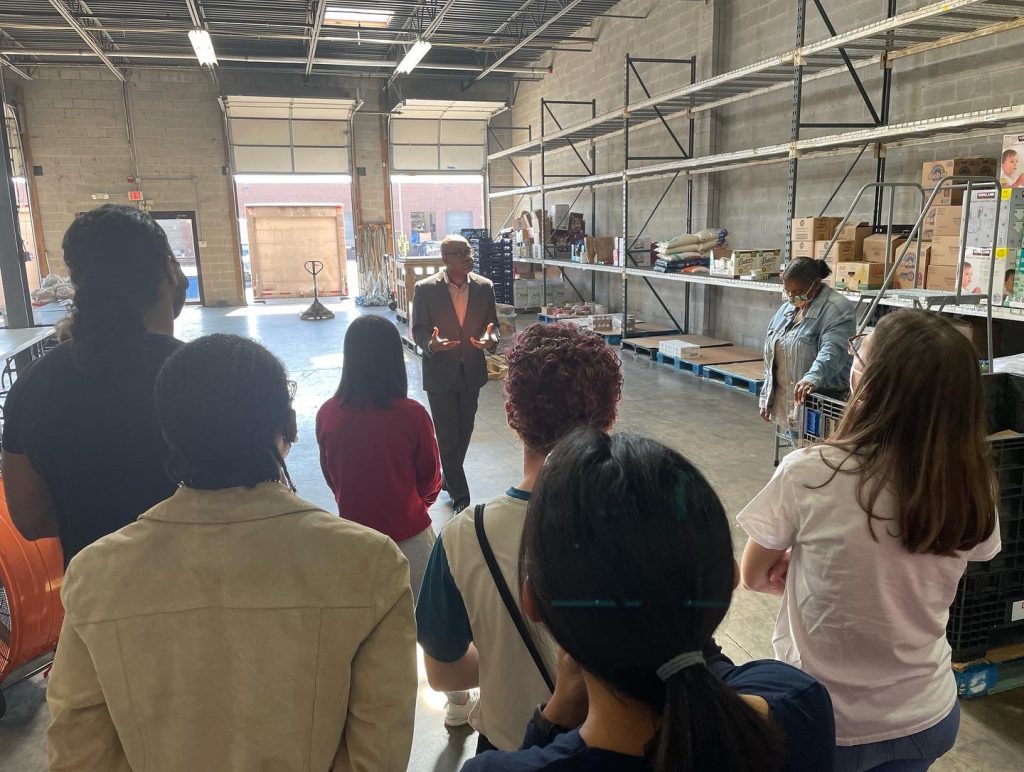
with Pastor Duane Duckett, learning about the Leading through Feeding Ministry of New Kingdom / iCARRe
Something very special to me on this trip is the willingness of people to teach and speak with the youth. I believe the youth hold an abundance of power for our future generations. It starts with education first, the more people that are made aware of the issues around them, the more people will be prompted to do something to make a difference in the system. It only takes one person to make a change that puts a dent in the current system that has destroyed many.
Something else I have appreciated on this trip is the people that distribute food to food-insecure cities are very adamant about making sure we treat all people equally. Food is a necessity to survive and not just calories, but a balanced meal that is filled with nutrients. People should not be offered fewer nutrient foods due to their socioeconomic status. Canned foods are simply not sufficient for one’s daily nutrients. People need fresh fruit, veggies, and produce to sustain them daily. If you would not feel comfortable eating what you’re giving others, then it should not be given out. The workers at the organizations of Our Daily Bread and iCARRe Found both made sure we understood this.
We then concluded with one last visit to Pastor Brown where we debriefed and did some self-reflection after our work. I am grateful for learning what I have on this trip and I hope to continue to integrate what I have learned into my day-to-day future life.
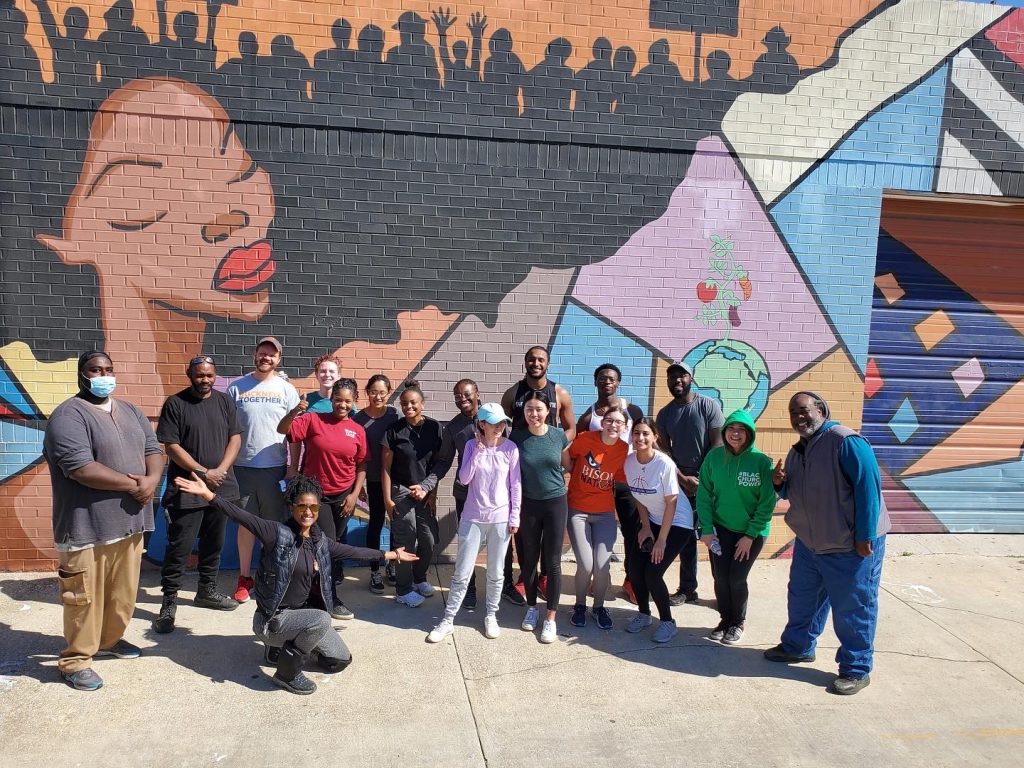
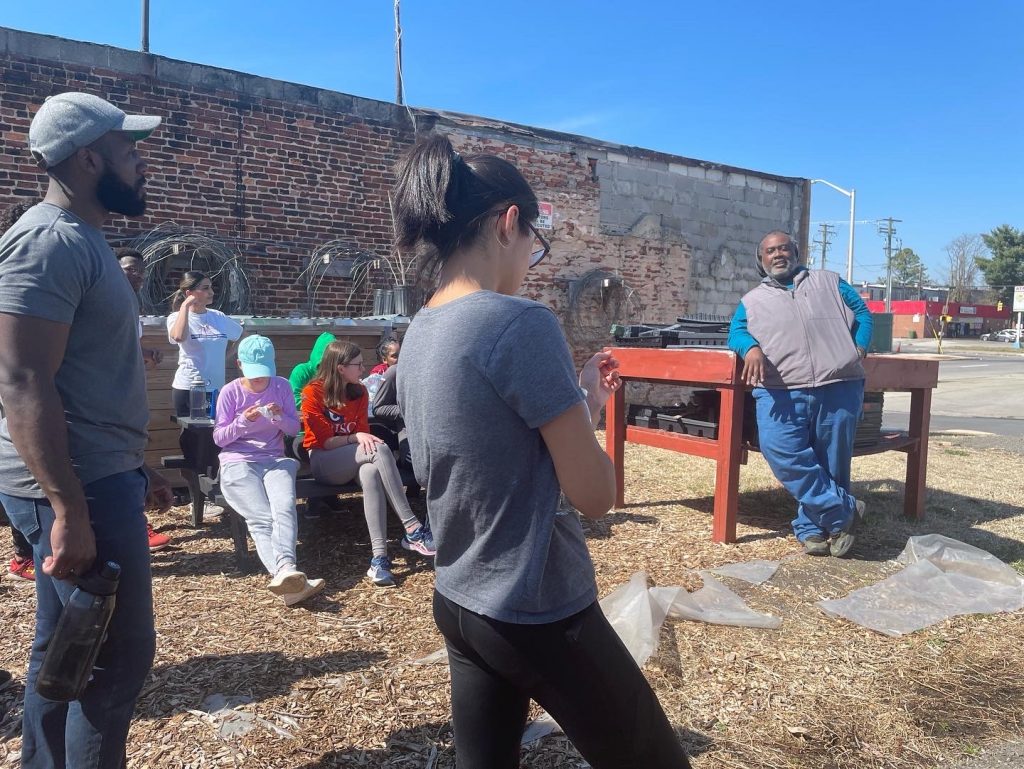
This Tuesday we spent some time getting our hands dirty at the Strength To Love Farm in Baltimore. This farm is located in the middle of Sandtown-Winchester, where the nearest grocery store is too far away to be accessible to the majority of people living there. Our hosts at the farm talked to us a little bit about the history and development of the area and about their future goals for the farm and the community-building possibilities that it presents. They host programs that build employment skills for previously incarcerated people and are planning a celebration for National Black Gardeners day sometime in the future (a celebration of their own creation) and many other programs in arts, business, and education designed to uplift and directly support the community in need.
Getting the chance to visit Baltimore for this trip has been an eye opening experience for me so far. Being a Baltimore native, it is nice to be able to come back to my hometown and participate in various volunteer opportunities. It gave me the feeling that I was helping to restore my own community. Even though this was the case, I also realized that I was not aware of organizations such as the Black Church Food Security Network and the Strength II Love Farm. These organizations work diligently to positively impact the Baltimore community, and having the opportunity to connect and work with them directly was a very empowering experience. It was very rewarding to see that people in Baltimore have and share a deep passion for addressing food insecurity in Baltimore, making a huge difference.
Today we drove all the way to Washington D.C. and had a discussion with staff members from Bread for the World. We spoke with them about this organization and how us, college students, have the ability to make a positive impact. One thing that stuck out to me was Stephanie’s conversation. She graduated with a communications degree from college and discussed the importance of social media. This was particularly interesting because individuals generally complain about the negative effects of social media, however, Stephanie highlighted the many benefits social media can bring to organizations. She educated us about the different strategies we can use to promote social media accounts and the significance behind each.
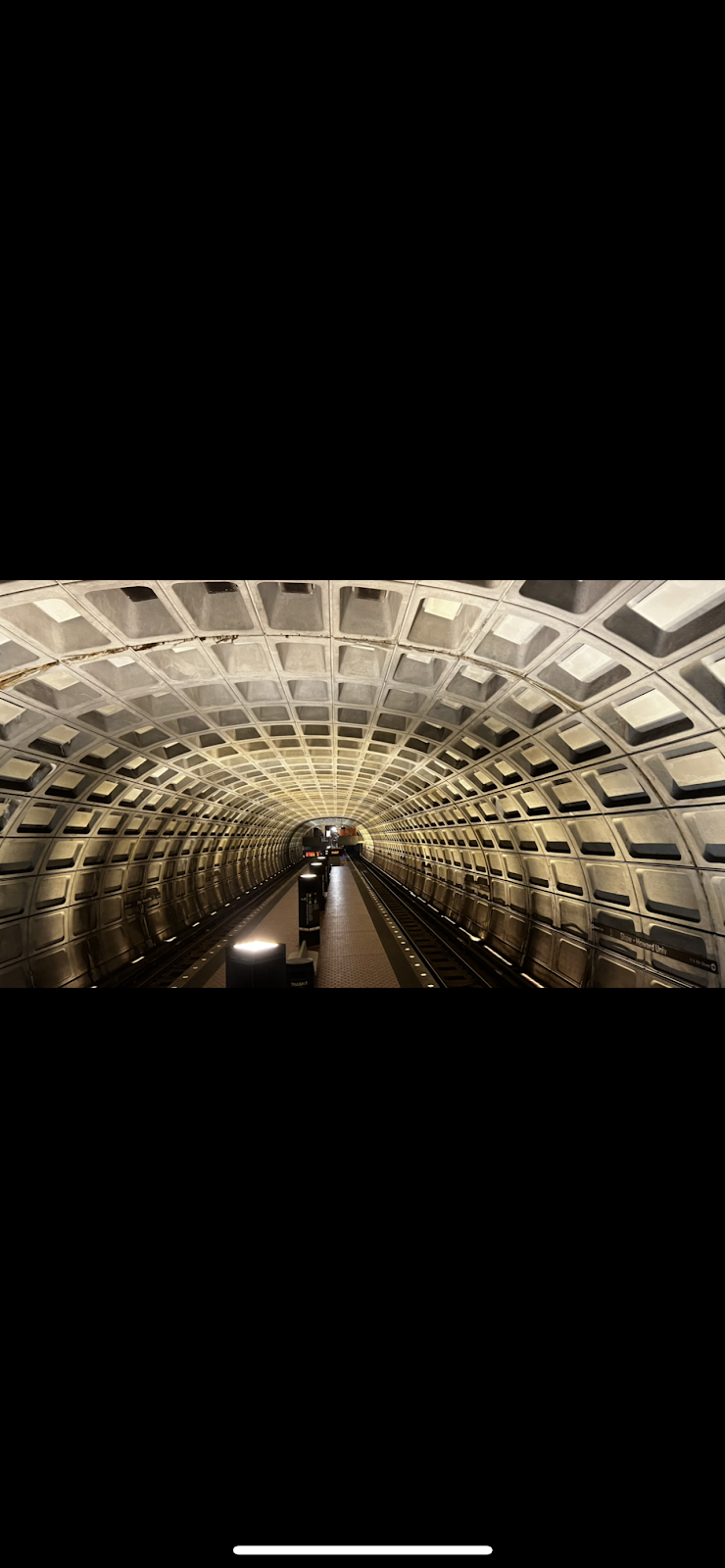
I experienced riding a D.C. metro for the first time. As a Floridian, I rarely have the opportunity to go underground. The moment we entered the underground tunnel, I felt like I was in a completely different country. I was a foreigner- I did not know which card to purchase or how to read the colorful maps. Luckily, a stranger randomly appeared and offered us his swipes. This simple act of kindness definitely made my day! Riding the metro felt like a roller coaster ride at an amusement park. We took two metros and arrived at the Fashion Centre at Pentagon City. This mall was massive: it consists of 4 floors and contains 144 stores. It was nice to see a crowd of people again since there are no major shopping malls in Lewisburg, Pennsylvania. We ate at a Chinese restaurant called Yong Kang Street. I ordered a Chinese dish, shrimp and beef wonton noodles, that I have not eaten in a while since coming to Bucknell. Our meals were delicious and we bought boba tea afterwards.
Currently, I’m sitting in the living room of our airbnb in Baltimore. From this spot I can smell the food a few friends are cooking in the kitchen, hear laughter coming from upstairs, and see the connections being made through conversation right beside me. Throughout our time here so far, our group of 14 has truly experienced what community is. Not only have we traveled to various locations to learn and connect with others, but we have been learning and connecting with each other as well. This group has become a new family to me.
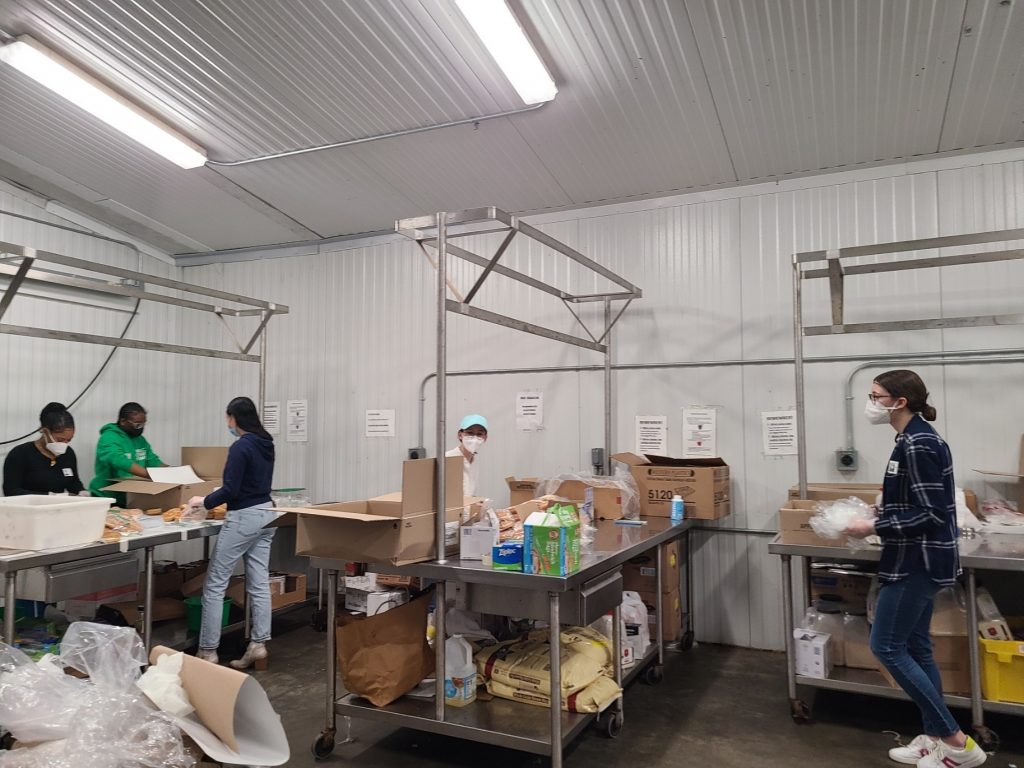
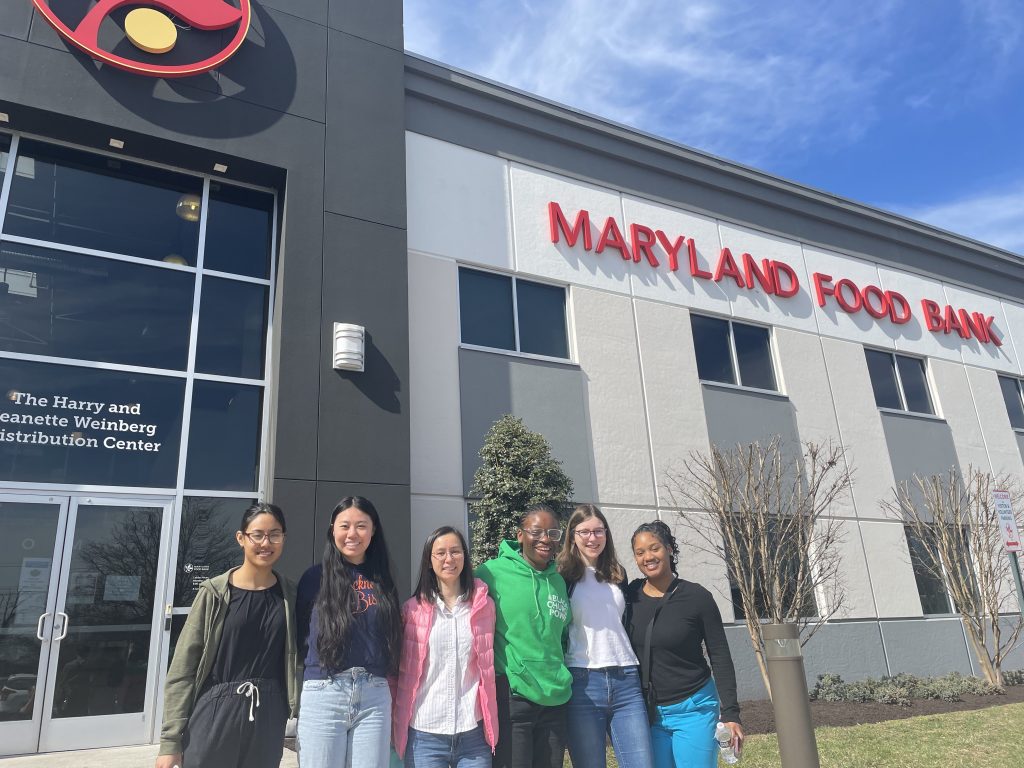
Today six of us went to the Maryland Food Bank, where Paul, the volunteer coordinator, warmly welcomed us. After a brief tour of the food bank, he directed us to the kitchen, where we worked to help the head chef, Terrance, pack lunch for the school students. We were assigned in groups to pack ham salad in small containers and buns in a zip-lock bag. Some of us connected with the staff, who seemed to enjoy working with other staff members with good music in the kitchen. Working in the food bank and at the Daily Bread soup kitchen yesterday showed different modes of tackling food insecurity. Working in the soup kitchen provided a hands-on experience of serving and making hot lunch for walk-in people. The lunch includes a nutritious meal with dessert accompanied by sweet black tea, which all community members were very fond of. Working on packing lunch for school students left us with a sense of wonder about how these foods will be supplied, while appreciating the work and energy of other volunteers and staff put into serving the community.
Today was the fourth day we stayed in Baltimore. We had nice weather compared to the first day – there was a snowstorm. Today’s plan was to volunteer at the Maryland Food Bank this morning and visit the Islamic Society of Baltimore. I was very excited to go to the Maryland Food Bank because I will pack food bags for children. As a student majoring in Education and doing student teaching, I can relate to many food struggles children are facing. Due to the remodeling of the Maryland Food Bank, only half of our group had the opportunity to visit the food bank. I’m impressed by how big the storage was and how much food we packed while visiting. While packing hamburger buns in individual bags, a thought popped up in my mind; we are all humans, but we eat different food. I was wondering if I were volunteering in another country, what kind of food I would pack. Then one staff came over to us and brought water for us. My light bulb turned on. Yes! Water! We would eat different food, but we will drink water no matter where you are. This thought still stayed in my mind through the rest of the day.
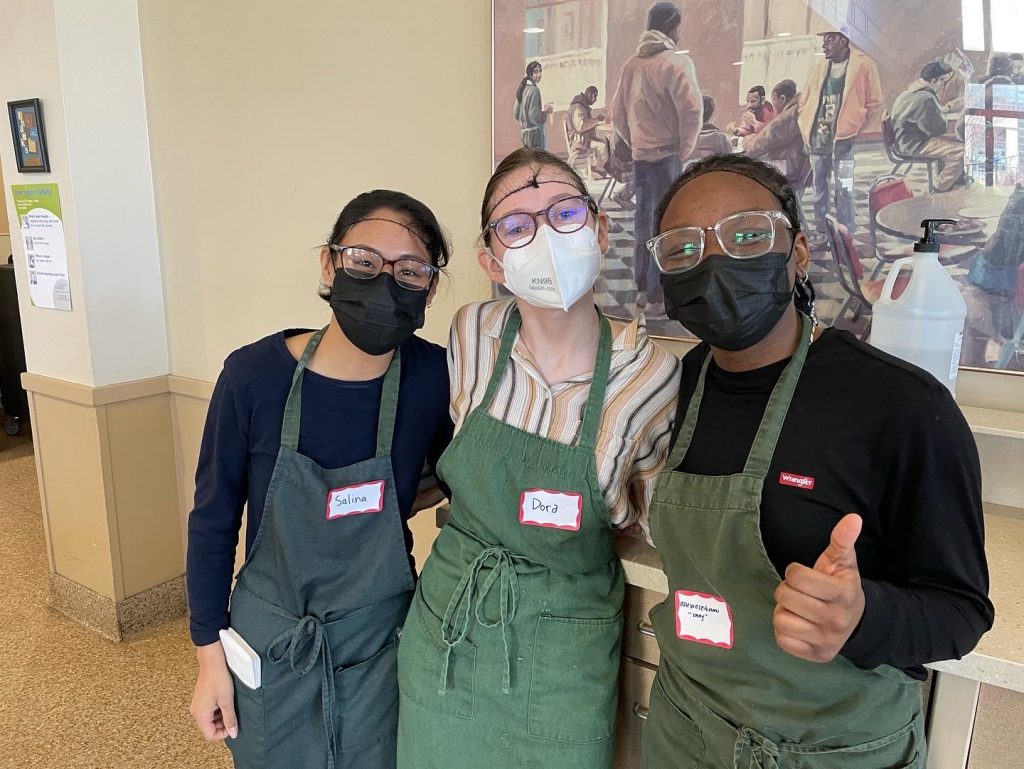
This morning, some of us had the opportunity to serve at Our Daily Bread, a Catholic Charities Hot Meal Program. We arrived around 9 and began doing some of the prep work to have plates and to-go boxes ready and some tea bags tied together (so many tea bags!!). Right before beginning meal service, we did a small prayer and were all assigned tasks for the next two hours. As soon as the doors opened at 10:30, people came pouring in. I had done meal packaging before but serving was an entirely different experience. As I was serving, despite the rush of trying to make sure everyone got what they needed, it was so nice to be able to talk to people and see the looks on their faces when a plate of hot food was placed in front of them. We were only there for one day, but to see the connections employees and consistent volunteers had built with the people we were feeding was heart-warming and beautifully signified the community that can be built through food. While this is only one meal of the day, it is guaranteed food that is important to a lot of people, and I am grateful for the opportunity to be a part of one day of that experience.
“Black Church Power”— 3 seemingly simple words, yet when put together demands respect, provides hope, and inspires communities. Pleasant Hope Baptist Church epitomizes this phrase in their service to their Baltimore community, where they engage with community members in the church itself for Sunday Service, uphold the names of the ancestors that helped establish and aid the church, and even go above and beyond the call of duty in their ongoing pursuit of food security for disenfranchised communities across the east coast and beyond of the “yet to be United States,” as Rev. Dr. Heber Brown III of the church often stated. The Black Church Food Security Network focuses to accomplish this daunting task, producing food in community gardens to supply to their community, as well as connecting with other Black churches to expand their chain of political protest, thus lifting up Black communities.